
Why Clients Say "Let Me Think About It" (and What to do Next Time)
You finish the presentation. The client is engaged. They like the direction. Then they say it: “Let me think about it.”
If you’re an interior designer, you know how quickly that sentence can change the tone of the room. It can feel personal, but most of the time it is not a rejection of your design. It is a sign that the client still does not feel clear enough to make a decision.
That matters because hesitation slows approvals, creates more back-and-forth, and can quietly weaken trust in the process. It is also why stronger visual communication matters so much. When clients can actually see the outcome, they stop guessing and start making decisions with more confidence.
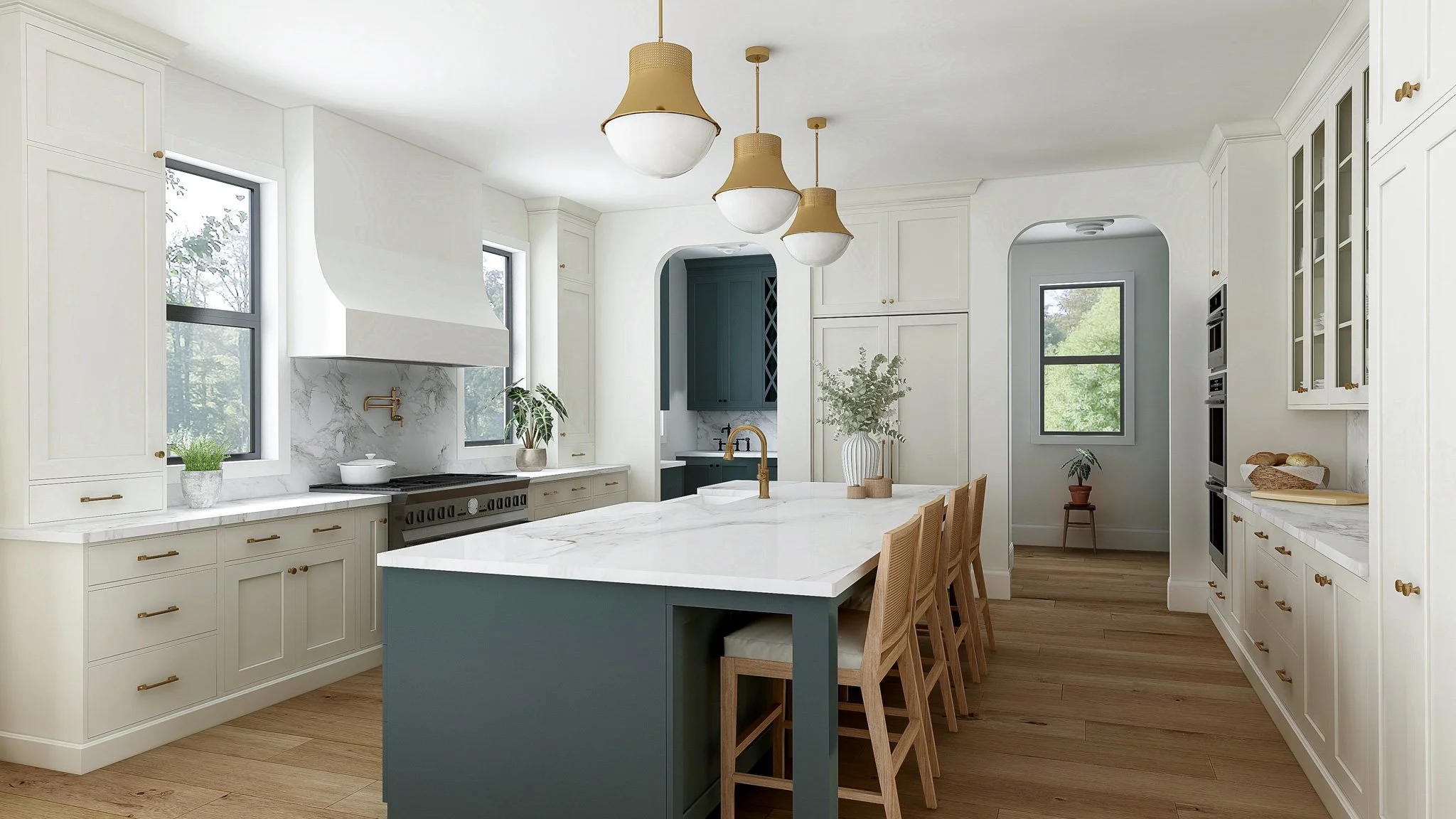
3D Rendering Services by Cindy Krauklis
What "Let Me Think About It" Usually Means
When a client says they need to think, what they often need is more certainty.
Imagine you are walking them through a living room concept. You know the palette works. You know the layout makes sense. You know the furnishings, lighting, and finishes will come together beautifully. But your client is still trying to connect the fabric samples, floor plan, elevations, and your explanation into one finished picture. For someone who does not do this for a living, it can feel overwhelming and confusing.
Usually, one or more of these things is happening:
They are afraid of making an expensive mistake. If they cannot clearly picture the result, approving it feels risky.
They are overloaded by information. Samples, plans, and reference images all require interpretation and trying to decide on the spot feels like too much.
They are missing emotional certainty. A client can understand your logic and still not feel fully confident on the design.
Twenty years of HGTV trained your clients to expect a reveal. They've watched a thousand befores become afters, and they've been conditioned to see the finished room, not imagine it. When your presentation asks them to do the imagining, hesitation is the natural result.
Client Hesitation Costs More Than One Delayed Approval
When a client says, “Let me think about it,” it rarely stays contained to one moment. It usually ripples through the rest of the project. Selections take longer. Meetings multiply. Reassurance starts replacing momentum. Decisions that could have been finalized are stalled.
That delay creates real cost for designers:
More back-and-forth. You spend extra time explaining choices that might have landed much faster with clearer visuals.
Less confidence in the room. Repeated hesitation can make you over-explain or soften recommendations that were strong to begin with.
A shakier client experience. When clients feel unclear, they ask more tentative questions and trust the process less.
Slower sales and softer referrals. Clients are less likely to move quickly or enthusiastically recommend you when they never felt fully sure.
There’s also your emotional cost. After a while, you start to feel burnt out, questioning your life choices and wondering where it all went wrong.
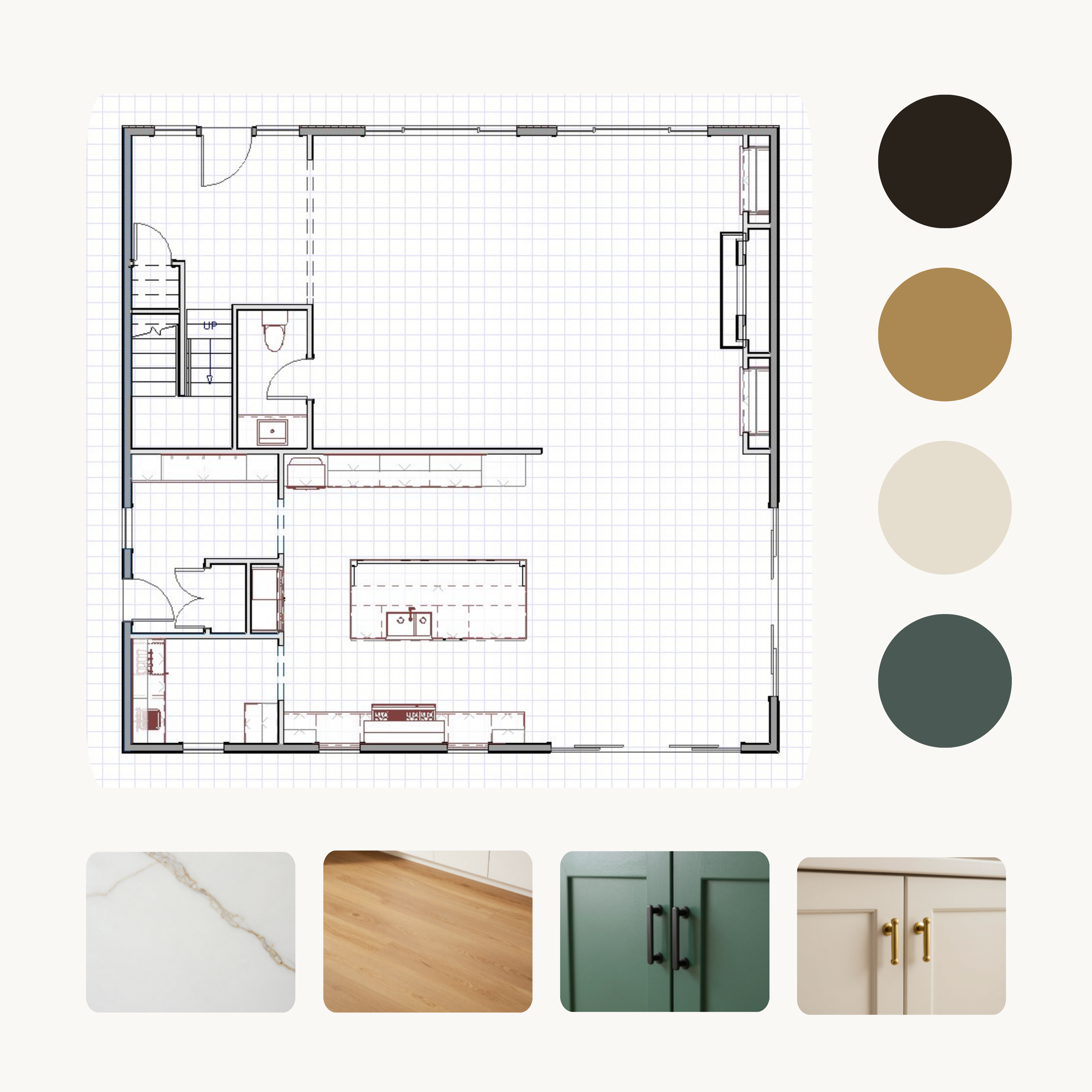
What your client is usually given - A flat lay of samples plus the floor plan.
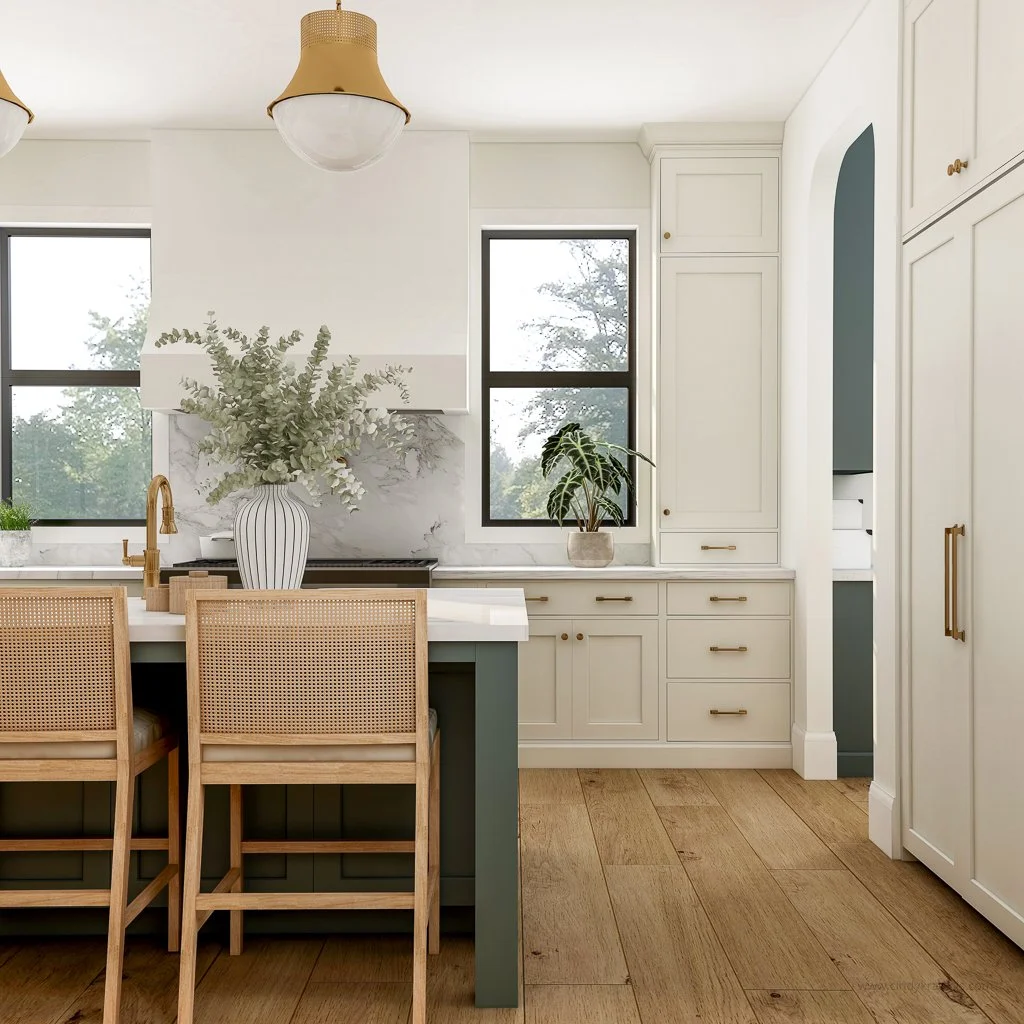
What your client can understand and approve right away - a finished render.
Better Visuals Make It Easier for Clients to Say Yes
If the real problem is that your client can't picture the outcome, the fix isn't a better pitch. It's a better picture.
This is exactly what 3D renderings for interior designers are for and what you can show in your next presentation. When a client sees the room, the materials, the light, and the mood in one image, the conversation changes shape. You're no longer asking them to assemble the design in their imagination. You're asking them to react to something that already looks real.
Renderings also answer the questions clients rarely ask out loud. Will it feel cold? Too formal? Too dark by the window in the evening? Colour is where I see the most hesitation, and it's what a good render answers best. As a certified True Colour Expert™ and formally trained Interior Designer, I'm picky about undertones and getting things just right.
A few shifts that make an immediate difference in your design presentations:
Lead with the hero image. Don't make your client sit through fifteen slides of context before they see the room. Show the render first, then walk through the decisions behind it.
Let the visual handle the emotional questions. A strong render resolves "will it feel dark" before it ever becomes an objection.
Present a cohesive recommendation. Clients feel more confident when they are shown a clear direction instead of a pile of options.
Keep your explanation simple. Let the image support the decision instead of burying the client in too much detail.
Bring renderings in early. They work best as part of your presentation process, not as a rescue mission after the second stall.
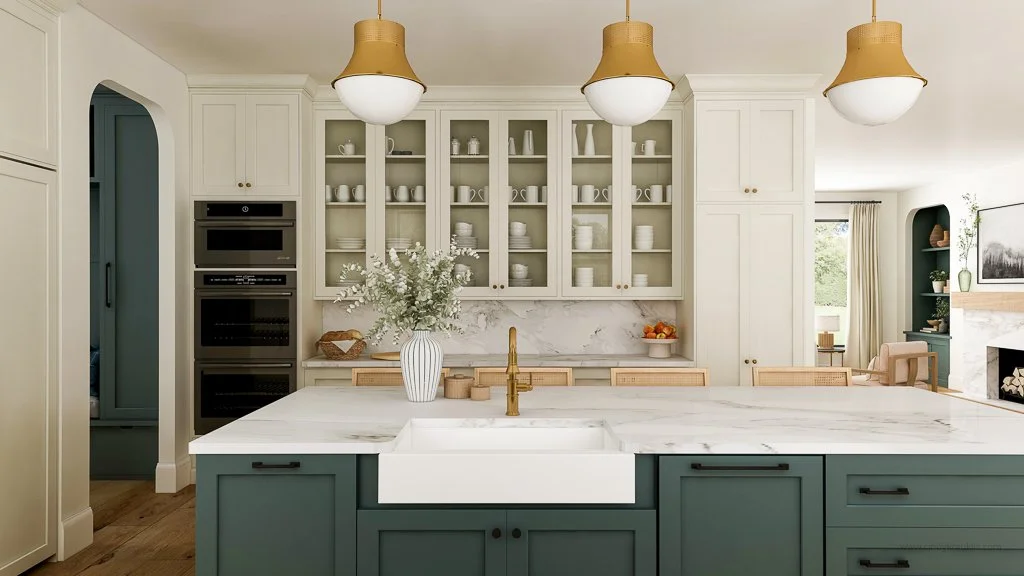
3D Rendering Services by Cindy Krauklis
The goal is clarity, not pressure
When a client says "let me think about it," they're not asking for a stronger pitch. They're politely asking for a better picture. That is why better presentation visuals matter so much. They make the design easier to trust, calm decision fatigue, and help clients feel taken care of instead of overwhelmed.
If you want your client presentations to feel smoother, clearer, and easier to approve, I can help. I create presentation-ready 3D renderings for interior designers, so your clients can understand the full picture, make decisions faster, and move forward with more confidence.